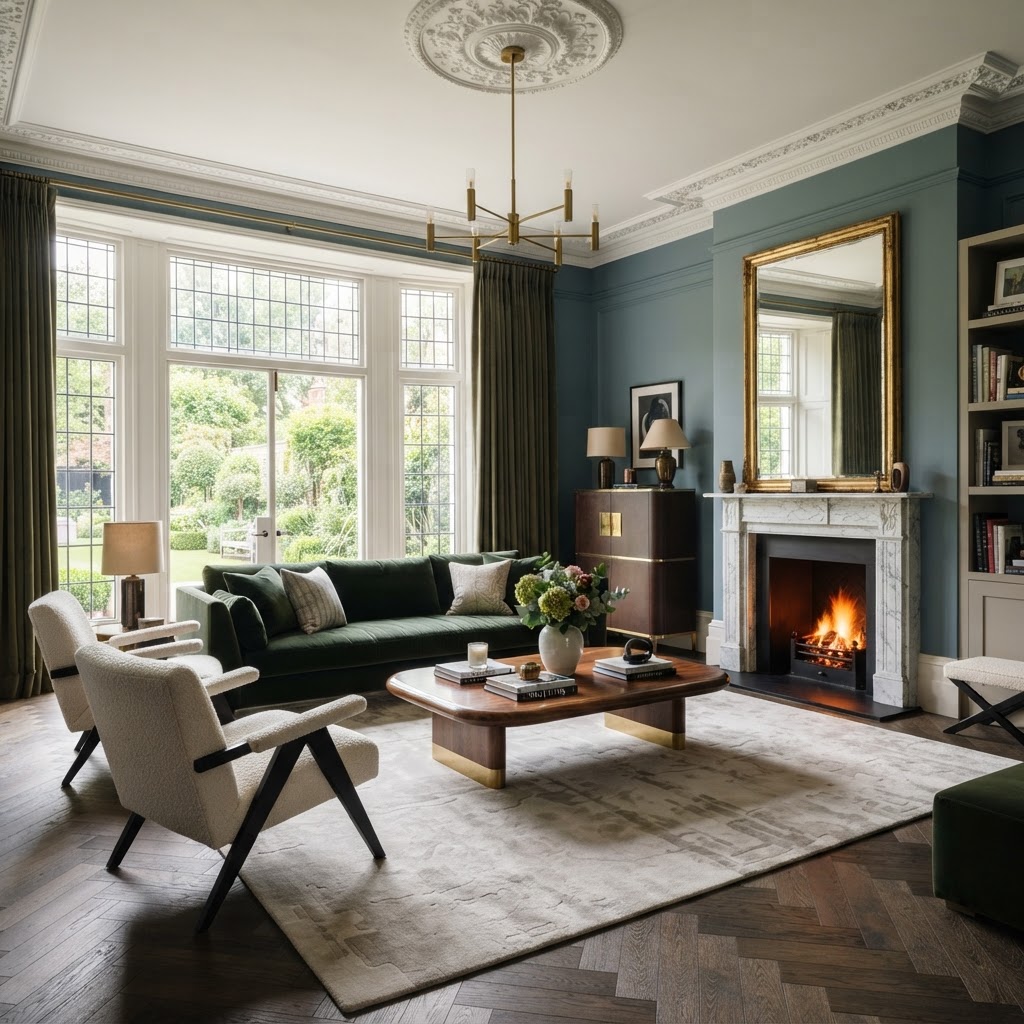
The Material Revolution Reshaping Luxury Interiors
There are moments in design history when a single material changes everything. Cast iron transformed Victorian kitchens. Reinforced concrete gave modernism its muscle. And now, in the refined world of luxury residential interiors, ultra-compact surfaces are quietly rewriting the rules of what a worktop, wall cladding, or bathroom surface can be.
If you have visited a high-end kitchen and bathroom showroom in Gloucestershire recently, you will almost certainly have encountered this category of material — whether you knew it by name or simply stopped in your tracks to admire a surface that looked simultaneously like aged stone, brushed concrete, and something altogether otherworldly. At Dajon Interiors, our showroom in Gloucester has become something of a destination for homeowners across Cheltenham, Stroud, and the wider Cotswolds who want to understand and specify these extraordinary materials within their bespoke projects.
This article explores the science, the aesthetics, and the very real practical advantages of ultra-compact surfaces — and why 2026 may be the year you finally make the leap.
What Exactly Is an Ultra-Compact Surface?
Ultra-compact surfaces are engineered from a blend of natural minerals, glass, and porcelain, subjected to enormous heat and pressure during manufacture in a process that mimics, and in some respects surpasses, what the earth does to stone over millions of years. The result is a non-porous, exceptionally dense panel that can be produced in large formats and a remarkable range of finishes.
The most recognised brand in this space is Dekton by Cosentino, though the broader category of ultra-compact and sintered stone surfaces now includes several premium manufacturers. What unites them is a shared set of properties that make them uniquely suited to the demands of luxury contemporary living.
The Key Properties That Set Ultra-Compact Surfaces Apart
Understanding why designers and homeowners are increasingly specifying ultra-compact surfaces requires a look at what these materials can actually do.
Heat resistance: Unlike natural stone or engineered quartz, ultra-compact surfaces are virtually impervious to heat. You can place a hot pan directly from the hob onto the worktop surface without fear of thermal shock, discolouration, or cracking. In a working kitchen, this is not a small thing.
Scratch resistance: With a hardness that rivals the toughest natural materials, ultra-compact surfaces resist the daily abrasion of kitchen life — chopping, sliding, the dragging of heavy pots — without showing the wear that softer surfaces accumulate over years of use.
UV stability: One of the most frequently overlooked advantages is colour stability under ultraviolet light. Many beautiful natural stones and even some engineered materials will fade or shift in tone when exposed to prolonged sunlight. Ultra-compact surfaces, by contrast, maintain their original colour and finish indefinitely, making them equally suited to indoor and outdoor applications.
Zero porosity: The surface contains no pores, which means it cannot harbour bacteria, absorb staining agents such as red wine, coffee, or turmeric, and requires no sealing — ever. For the bespoke bathroom environment in particular, this is an enormous advantage in terms of both hygiene and long-term aesthetics.
Large-format possibilities: Ultra-compact surfaces can be manufactured in panels of considerable size, enabling seamless worktop runs, full-height splashbacks, and floor-to-ceiling wall cladding without unsightly joints. This is a game-changing capability for those pursuing a truly architectural, gallery-like interior.
The Aesthetic Range: Far Beyond Industrial Grey
There is a persistent misconception that ultra-compact surfaces are exclusively the province of cool, minimal, concrete-aesthetic interiors. The reality in 2026 is quite different. The colour and texture palette available across premium ultra-compact surfaces now spans everything from deep, vein-rich marble effects to warm terracotta tones, smoked timbers, and raw volcanic textures that feel as ancient as the landscape itself.
For luxury kitchens, this breadth of choice means the material can serve an extraordinarily wide range of design directions. A Cotswolds farmhouse kitchen might specify an ultra-compact surface in a warm limestone effect, providing all the organic warmth of natural stone with none of its maintenance demands. A contemporary open-plan kitchen in a Cheltenham townhouse might opt for a dramatic dark mineral finish with subtle movement, creating a worktop that reads as a piece of sculpture as much as a functional surface.
Pairing Ultra-Compact Surfaces with Cabinetry and Joinery
The true art of specifying these materials lies in how they interact with cabinetry, furniture, and the wider interior palette. At Dajon Interiors, our design team works closely with clients to ensure that worktop and surface selections feel genuinely integrated with the bespoke joinery and furniture we design and install.
A common and exceptionally refined approach is to extend the worktop material vertically, creating a continuous surface from the countertop up through the splashback to a full-height panel behind the hob. When achieved in a single slab or matched slabs of ultra-compact surface, the visual effect is one of extraordinary coherence — the kitchen appears to have been carved from a single piece of material, which in aesthetic terms is precisely what the best kitchens aspire to.
In bathroom design, the same principle applies with even greater impact. A vanity unit topped with an ultra-compact surface, with the same material flowing down the front face and onto the floor as large-format tiles, creates a monolithic, spa-like environment that feels deeply considered and genuinely luxurious.
Ultra-Compact Surfaces in the Bathroom: A New Standard of Luxury
The bathroom has long been the room where the choice of surface material makes the most immediate emotional impact. We experience bathrooms with our skin as well as our eyes — the coolness or warmth of a surface underfoot, the smoothness of a vanity edge beneath our fingertips, the way a material behaves in humidity and changing light.
Ultra-compact surfaces are, in many respects, ideal for the bathroom environment. Their complete impermeability means that steam, standing water, and the full spectrum of bathroom products cannot penetrate, stain, or compromise the surface. Their hardness means they will not chip or scratch easily. And because they require no sealing or specialist maintenance products, the ongoing care regime is as simple as it could possibly be.
For those considering bespoke bathrooms in the Cotswolds or across Gloucestershire, the specification of ultra-compact surfaces for shower walls, floor tiles, vanity tops, and even feature walls represents a genuine investment in the long-term quality and appearance of the space.
The Wet Room Application
In wet room and walk-in shower design, large-format ultra-compact surface panels are rapidly replacing traditional tiling for one simple reason: fewer joints mean fewer maintenance points and a cleaner, more architecturally ambitious result. A shower enclosure clad entirely in matched panels of a dramatic stone-effect ultra-compact surface, with a concealed drain and frameless glass, is one of the most genuinely luxurious interior experiences available to the residential client in 2026.
Beyond the Kitchen and Bathroom: Bedrooms and Living Spaces
While the kitchen and bathroom are the primary domains for ultra-compact surfaces, forward-thinking designers are increasingly bringing these materials into bedroom and living spaces. Bedside tables with ultra-compact tops, dressing table surfaces, integrated bedroom joinery with surface inlays — all of these applications bring a consistency of material language through the home that elevates the overall interior narrative.
In fitted bedroom design, the pairing of bespoke cabinetry with ultra-compact surface details creates a sense of cohesion between bedroom and bathroom that feels genuinely considered — a home that has been designed as a whole rather than room by room.
Designing with Ultra-Compact Surfaces in Gloucestershire
Across Gloucestershire, homeowners are increasingly looking to premium surface materials as the foundation of their renovation and new-build projects. In Cheltenham, where the Regency architecture provides a magnificent backdrop for carefully considered contemporary interiors, the contrast between period detail and ultra-compact surface can be extraordinary. In Stroud and the surrounding rural Cotswolds, the material's ability to reference natural stone while offering superior performance makes it a natural fit for the agricultural and vernacular aesthetic that characterises many of the area's most beautiful homes.
At our showroom in Gloucester, we work with clients from across the region — from the Vale of Gloucester to the high Cotswolds — to develop bespoke interior schemes in which surface material selection is treated with the same seriousness as layout planning, cabinetry design, and lighting. You can explore examples of our completed projects in the projects section of our website, where the role of premium surface materials in achieving the final result is clearly evident.
Our design consultants are experienced in navigating the considerable range of ultra-compact and premium surface options available, helping clients to make informed choices that balance aesthetic ambition with practical reality and long-term value.
Visit Dajon Interiors: Gloucester's Luxury Kitchen and Bathroom Showroom
The best way to understand ultra-compact surfaces — to appreciate their weight, their finish, their quiet confidence — is to encounter them in person. At the Dajon Interiors showroom in Gloucester, we have curated a selection of surface samples and fully designed kitchen and bathroom environments that allow you to experience these materials in context.
Whether you are in the early stages of planning a kitchen renovation in Cheltenham, designing a new bathroom for a Cotswolds property, or reimagining your bedroom suite, our team is ready to guide you through the possibilities. We believe that great interiors begin with great materials — and ultra-compact surfaces represent one of the most exciting material stories in luxury residential design today.
Get in touch with Dajon Interiors to arrange a design consultation at our Gloucester showroom. We work with clients across Gloucestershire, Cheltenham, Stroud, and the Cotswolds, and we would be delighted to discuss how ultra-compact surfaces could transform your home.
Conclusion: A Material for the Way We Live Now
Ultra-compact surfaces are not a trend in the fleeting sense of the word. They represent a genuine evolution in what premium interior surfaces can offer — combining the timeless visual appeal of natural stone with the performance characteristics that modern luxury living demands. Heat resistant, scratch resistant, UV stable, non-porous, and available in an increasingly beautiful range of finishes, these materials are as well suited to the demands of a working family kitchen as they are to the serene environment of a private spa bathroom.
At Dajon Interiors, we have been specifying and installing premium surface materials in bespoke kitchens, bathrooms, and bedrooms across Gloucestershire for many years. Our expertise, our showroom, and our relationships with leading surface manufacturers mean we are uniquely placed to help you navigate this exciting material landscape and arrive at choices that will stand the test of time — aesthetically and practically — for decades to come.